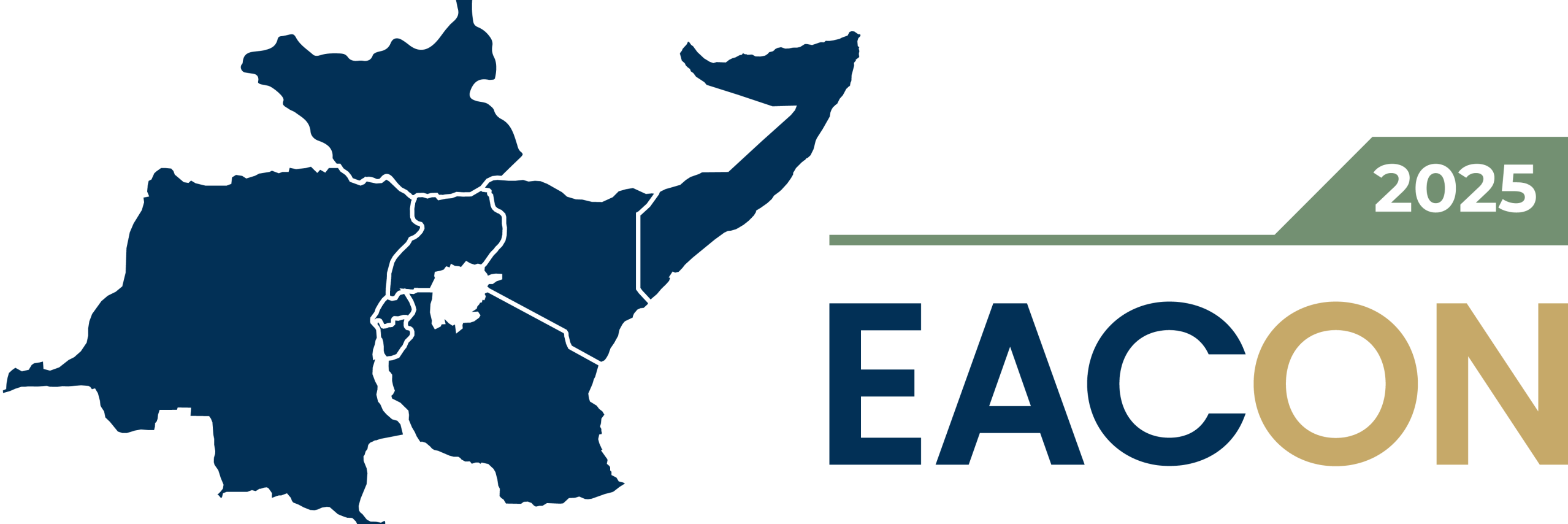
The East African Community (EAC) is an intergovernmental regional organization consisting of eight member states located in East and Central Africa. The member states are Burundi, the Democratic Republic of the Congo (DRC), Kenya, Rwanda, Somalia, South Sudan, Tanzania, and Uganda. The EAC’s headquarters is based in Arusha, Tanzania.
The EAC was formally re-established on 7 July 2000, following the signing of the Treaty for the Establishment of the East African Community in 1999. The founding members of this current EAC were Kenya, Tanzania, and Uganda, who originally formed the community with the goal of fostering regional cooperation and integration in political, economic, and social sectors.
The organization expanded its membership in subsequent years through a series of accessions by other countries in the region. Rwanda and Burundi joined the EAC on 1 July 2007, broadening the community’s geographic and economic scope to include the Great Lakes region. This expansion aimed to strengthen regional collaboration and economic integration among East African states.
On 15 April 2016, South Sudan became the sixth member of the EAC, becoming the youngest country to join the community. South Sudan’s membership increased the EAC’s population and extended its reach into the northeastern part of the continent.
The Democratic Republic of the Congo (DRC) was admitted on 29 March 2022, becoming the seventh member state. The inclusion of the DRC significantly increased the land area of the community and added substantial natural resources to the bloc, further enhancing the potential for regional economic development.
Somalia is the most recent country to join the East African Community. Its accession was finalized on 24 November 2023 during the 23rd Ordinary Summit of the EAC Heads of State held in Arusha, Tanzania. Somalia’s entry into the EAC marked a significant milestone, expanding the community to the Horn of Africa and providing access to an extended coastline along the Indian Ocean.
Currently, the EAC covers an area of approximately 4.8 million square kilometers and has a combined population exceeding 300 million people. The community operates under the Treaty framework, which outlines cooperation across political, economic, social, and cultural dimensions. It aims to establish a customs union, common market, monetary union, and eventually a political federation among its member states.
The expansion of the East African Community over the past two decades demonstrates a continued commitment among its member states to deepen regional integration. The diverse composition of the community presents both opportunities and challenges in harmonizing policies and fostering cooperation. Understanding the membership and history of the EAC is fundamental to appreciating its evolving role in promoting regional stability, economic growth, and collaboration among East African nations.